Introduction
Homeowners often find themselves at a crossroads when they realize their living space no longer meets their needs. Whether it's the growing family, a new hobby, or simply the desire for more comfort, adding an extension to your home can be an exciting venture. But before you dive headfirst into this project, it’s crucial to understand the potential costs involved. In this article, we’ll explore various aspects of building a 10x10 addition, including price tags, foundation types, and much more.
Building a 10x10 Addition: What’s the Price Tag?
When contemplating an addition to your home, one of the first questions that springs to mind is: How much will it cost? A 10x10 addition typically falls within a reasonable range of expenses compared to larger extensions. However, several factors contribute to the final price tag.
What Influences the Cost of an Addition?
Material Choices: The type of materials you choose—be it wood, brick, or concrete—will significantly impact your budget. Labor Costs: Hiring contractors can add up quickly; skilled labor often commands premium prices. Design Complexity: A simple box room will be less expensive than a custom-designed space with intricate architectural features. Foundation Type: Different foundation types come with varying costs; understanding which option suits your needs is essential.Is It Cheaper to Build a House or Add an Addition?
This question often perplexes homeowners. On average, adding an extension can be cheaper than building a new house because you’re utilizing existing infrastructure like plumbing and electrical systems. However, costs can vary based on location and specific circumstances.

What Is the Most Expensive Part of the Home Addition?
The most significant expense typically involves labor—skilled tradespeople are essential for ensuring quality work. Additionally:
- Foundations and framing Electrical and plumbing work Finishing touches like drywall and flooring
All these elements contribute significantly to overall costs.
Understanding Foundation Options for Your Addition
What Is the Cheapest Foundation for a House Addition?
Foundations can make or break your budget! Here are some common options ranked from least to most expensive:
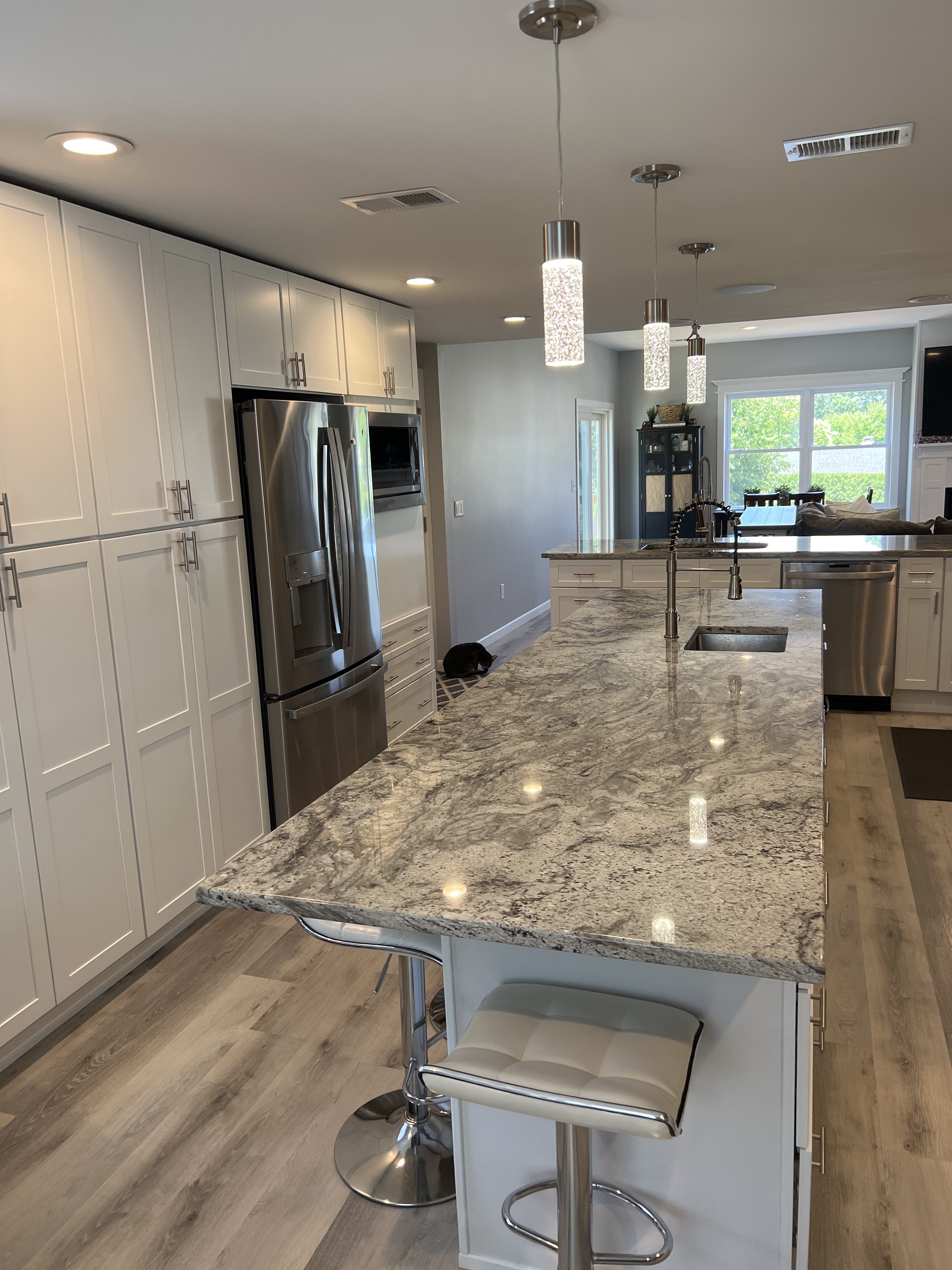
Choosing the right foundation is critical; it influences not just costs but also long-term stability.
Is Wood Foundation Cheaper Than Concrete?
Generally speaking, wood foundations may appear cheaper initially but come with long-term implications such as maintenance and durability concerns. Concrete slab foundations are often preferred for their longevity and lower maintenance needs.
Room Size Matters: Budgeting for Different Dimensions
How Much Does It Cost to Add a 12x12 Room to a House?
A 12x12 room generally requires additional materials and labor compared to a smaller addition like our 10x10 example. Here's what you might expect:
| Item | Estimated Cost | |---------------------------|----------------| | Materials | $4,500 Framing and Carpentry - $8,000 | | Labor | $3,000 - $6,000 | | Permits & Fees | $500 - $1,200 | | Total Estimate | $8,000 - $15,200 |
This gives you an idea of how square footage impacts overall budgeting!
How Much Does It Cost to Add 1000 Square Feet to a House?
When considering larger additions (like adding 1,000 sq ft), here’s what you should know:
- The average cost per square foot ranges from $100-$200 depending on your location. Therefore, adding 1,000 sq ft could set you back anywhere from $100,000 up to $200,000!
This wide range emphasizes how crucial it is to have realistic expectations when planning your budget.
Exploring Alternative Addition Options
What Is a Bump-Out Addition?
A bump-out addition is essentially extending part of your home outward rather than expanding its footprint significantly. This option can be ideal when space is limited or zoning laws restrict large additions.
Benefits of Bump-Outs:
- Lower cost compared to full-size rooms Often requires fewer permits Can enhance curb appeal
What Is the Cheapest House Structure to Build?
If you're looking into alternative structures alongside traditional homes:
- A simple shed-style structure could be quite economical. Modular homes offer another affordable option without sacrificing quality.
Cost Comparisons: Moving vs Adding On
Is It Cheaper to Move a House or Build a New One?
Moving can sometimes seem appealing if your current home feels cramped or outdated; however:
Relocation costs—including moving services—can be exorbitant. You may face additional fees related to selling your current property. Building an addition allows you to stay in familiar surroundings while upgrading your lifestyle!Breaking Down Specific Costs Associated with Your Project
How Much Would a 400 sq ft Addition Cost?
Expect expenditures ranging from approximately $40-$80 per square foot for basic construction projects depending on material choices and labor rates in your area:
| Item | Estimated Cost | |---------------------------|--------------------| | Materials | $16,000 - $32,000 | | Labor | $8,000 - $16,000 | | Permits & Fees | $500 - $2,500 | | Total Estimate | $24,500 - $50,500 |
This estimation provides insights into budgeting effectively!
Time Considerations When Planning Your Addition
How Long Does It Take to Build a 400 sq ft Addition?
On average:
- A simple project might take around 4–6 weeks. More complex designs could stretch this timeline considerably longer due primarily due complexities involving permits or design adjustments.
Being aware of these timelines helps manage expectations throughout construction!
Special Features That Could Enhance Your Addition's Value
How Much Does A 12x12 Sunroom Cost?
Sunrooms are incredible additions that blend indoor comfort with outdoor beauty! HVAC repair near me Adding one may cost between $25k–$60k depending on materials used (glass versus traditional walls), features chosen (HVAC systems), etc., making them luxurious yet high-return investments!
FAQs
Q1: What permits do I need for my addition?
A1: You'll likely need building permits from local authorities depending on size/location regulations.
Q2: How do I choose between DIY versus hiring professionals?
A2: Consider skill level & complexity—DIY can save money but hiring pros ensures quality work!
Q3: Can I live in my house during construction?
A3: Yes! But expect noise & disruptions; planning ahead helps mitigate inconveniences.
Q4: Will my property taxes increase after adding an extension?
A4: Typically yes—the increased value may lead local assessors adjusting tax rates accordingly.
Q5: Can I finance my addition?
A5: Absolutely! Many homeowners opt for loans specifically designed around renovations/additions through banks/mortgage lenders!
Q6: What if I exceed my budget during construction?
A6: Always have contingencies in place! Unexpected expenses happen—it’s wise planning ahead reduces stress!
Conclusion
In summary—building an addition like our discussed 10x10 space comes with its own unique set of challenges and rewards! Understanding prices associated with different aspects—from materials down through labor—is paramount before diving into any project headfirst!
By considering factors such as financial implications versus personal goals surrounding living conditions—you’ll position yourself well towards achieving that dream space without breaking bank accounts along way!
With careful planning—and perhaps some professional guidance—you'll create not just more square footage but genuine joy within those new walls too!
If you're ready for that adventure in expanding both space AND lifestyle—let's get started today! 💪🏡